

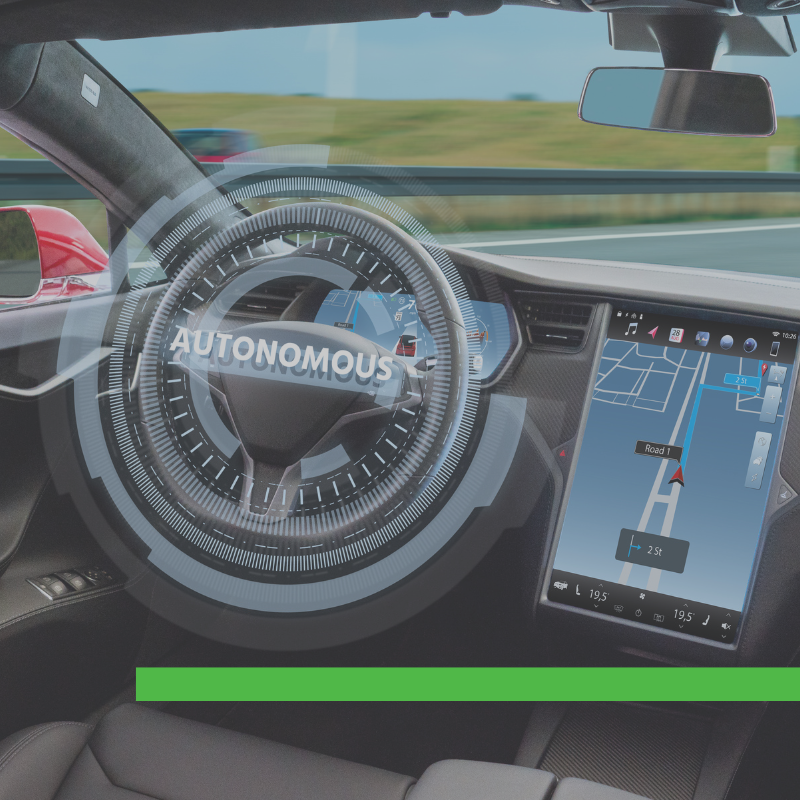
Tesla launched the first public phase of its robotaxi service in 2025 in the capital of Texas. The goal is clear: to create a fully autonomous taxi fleet operating without human intervention, potentially revolutionizing urban mobility in the long term. However, the system is not yet entirely independent, as safety supervisors are still present in the vehicles. Nevertheless, several incidents over the past months have raised questions about the maturity of the technology.
According to reports, more than a dozen accidents have occurred within eight months, ranging from minor collisions to more serious crashes. In one case, the company initially reported only material damage, but it later emerged that personal injuries had occurred and hospital treatment was required. Such inconsistencies in communication further fuel doubts about the transparency of the system.
It is particularly noteworthy that, based on official data, the accident rate of robotaxis is not yet more favorable than that of traditionally human-driven vehicles. In fact, some analyses suggest that Teslas operating in autonomous mode are proportionally involved in traffic incidents more frequently. This is a sensitive issue, as one of the most important arguments in favor of self-driving technology is precisely increased safety: eliminating human error and reducing accidents caused by inattention or fatigue.
At the same time, recent events serve as a reminder that developing AI-based transportation systems is an extremely complex task. The unpredictable situations of urban traffic, pedestrians, cyclists, unexpected maneuvers, and weather conditions all require flawless responses from the system. Yet real-world traffic environments often create scenarios that are difficult to model and only limitedly test in advance.
For Tesla, the robotaxi project is of strategic importance: autonomous mobility is one of the cornerstones of the company’s long-term vision. For this reason, the recent of accidents represents not only a technological challenge but also a reputational risk. The trust of investors, regulators, and users is crucial, and each incident increases the likelihood of stricter regulatory oversight.
Nevertheless, the future of self-driving cars cannot be entirely called into question. Technological development is rapid, and numerous industry players are working to make these systems more reliable and safer. The current cases rather suggest that the road to a true breakthrough may be longer and more challenging than many previously assumed.
The question is no longer whether autonomous vehicles will appear on public roads, but when and under what conditions they can become a genuinely safe alternative. Until then, each accident serves as a reminder that technological optimism must always be evaluated in light of real-world experience.
Source: Portfolio